




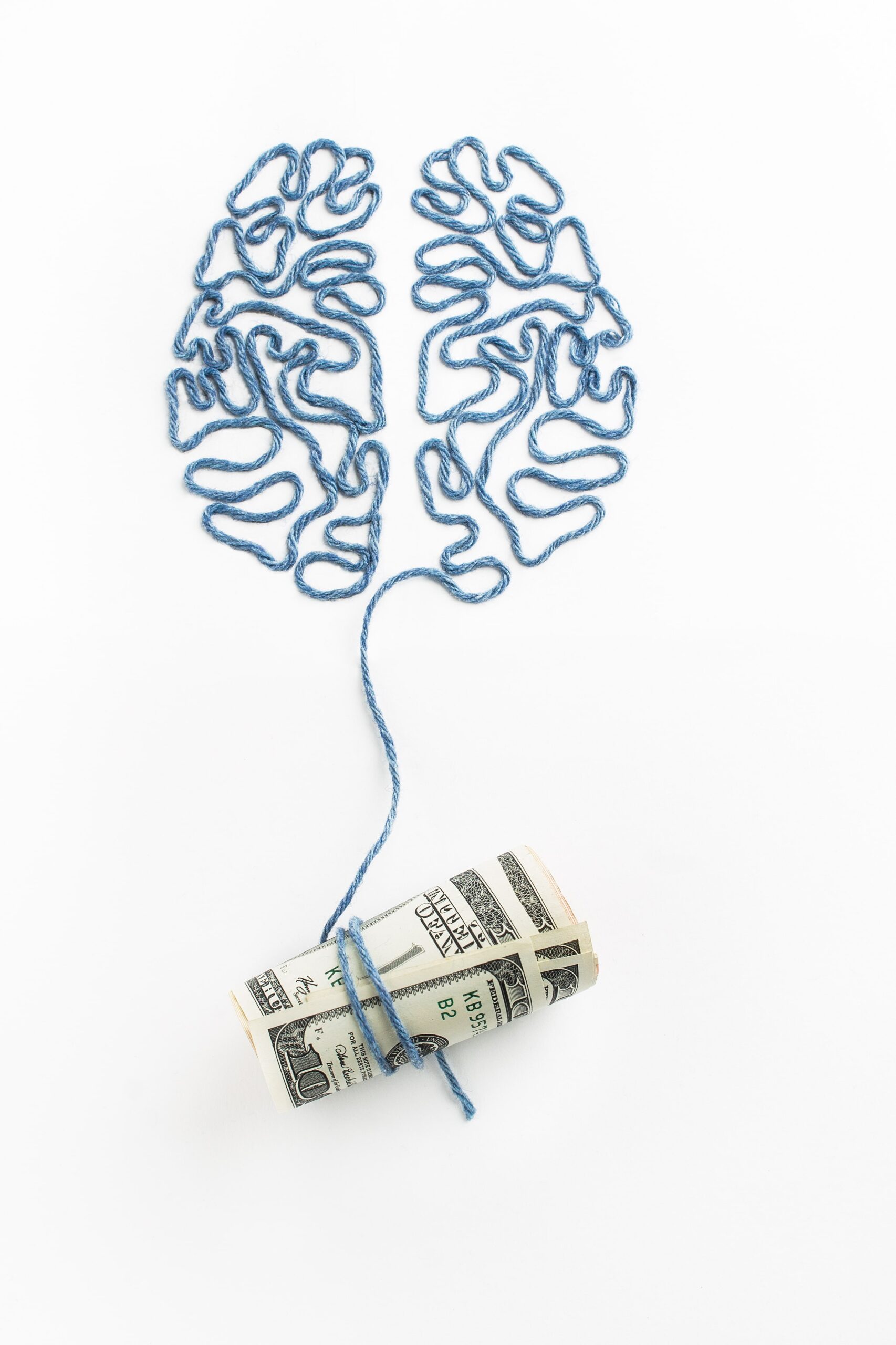
Studies throughout the world show that money problems and mental health are linked, and in many countries, young adults are most likely to experience mental health or well-being issues linked to money.
Money worries can affect a person’s mental health, and a person’s mental health can affect their finances, resulting in a cycle that can be very difficult to get out of.
Money worries can affect your well-being at any time in your life, whether or not you have started to work and are earning an income. If any of the following behaviours seem familiar to you, then it may indicate that money is affecting your health and well-being:
- You spend money to make yourself feel better – you rarely turn down a night out with friends, even if it leaves you short of money later in the month.
- You feel worried whenever you spend any money at all, even if it’s on essential, everyday items.
- Your sleep pattern is disrupted because you are worrying about money.
- You avoid opening emails from your bank because you are worried about what they might say.
If any of these behaviours affect you, then the longer you leave them, the more they can affect your mental health. If you can, talk to your doctor or medical professional. They may be able to recommend counselling or other support.
Spotting Addictive Behaviour
When your mental health and well-being are affected by money problems and worries, it can lead to a range of addictive behaviours, some of which aren’t easy to spot yourself.
They can include:
Gambling
If you keep gambling, even when losses begin to take a toll on relationships, finances or your career, then you have an addiction. It may leave you in serious debt, as well as affect your physical and mental health. You may consider seeking professional help to tackle your addiction.
In-app Purchases
Addictive behaviours take many forms. Online and mobile gaming can seem like harmless fun, but young people in particular are at risk of addiction through in-app purchases and video game add-ons on their phones or other mobile devices.
Using Credit to Purchase Investment Products
Borrowing money, or using credit, for an investment might seem like a good idea, especially when interest rates are low; however, it is high risk, because there’s a chance of losing your investment, but you will still have to pay for the credit you have borrowed
Discussing Your Money Worries
Talking about your money worries isn’t easy, but it may really help. If you don’t feel able to talk with your spouse or partner about financial difficulties, or how they are affecting your health, try talking to:
- Your therapist or a medical professional
- A trusted friend or family member
- A support worker or other health professional
- A tutor, or a counsellor in student services (if you are a student)
If a particular money issue is affecting you, like a loan or payment that you can’t pay, then talking about it with your bank or financial provider can be a good place to start. They may be able to help, for example, by consolidating your debts or extending the period of a loan.